
The Spaces Between the Pins
The wins and losses weren’t random.
Read the essay →The better product rarely decided who won.
For more than twenty-five years I built, scaled, and sold technology companies. As a biologist, I learned to look for the variables that drive outcomes, and the most important ones weren't necessarily the product, the price, or the performance. They were the relationships between the people involved, what motivated each of them, and the risks they were willing to take. I'm writing that down, because it works the same way in your business.
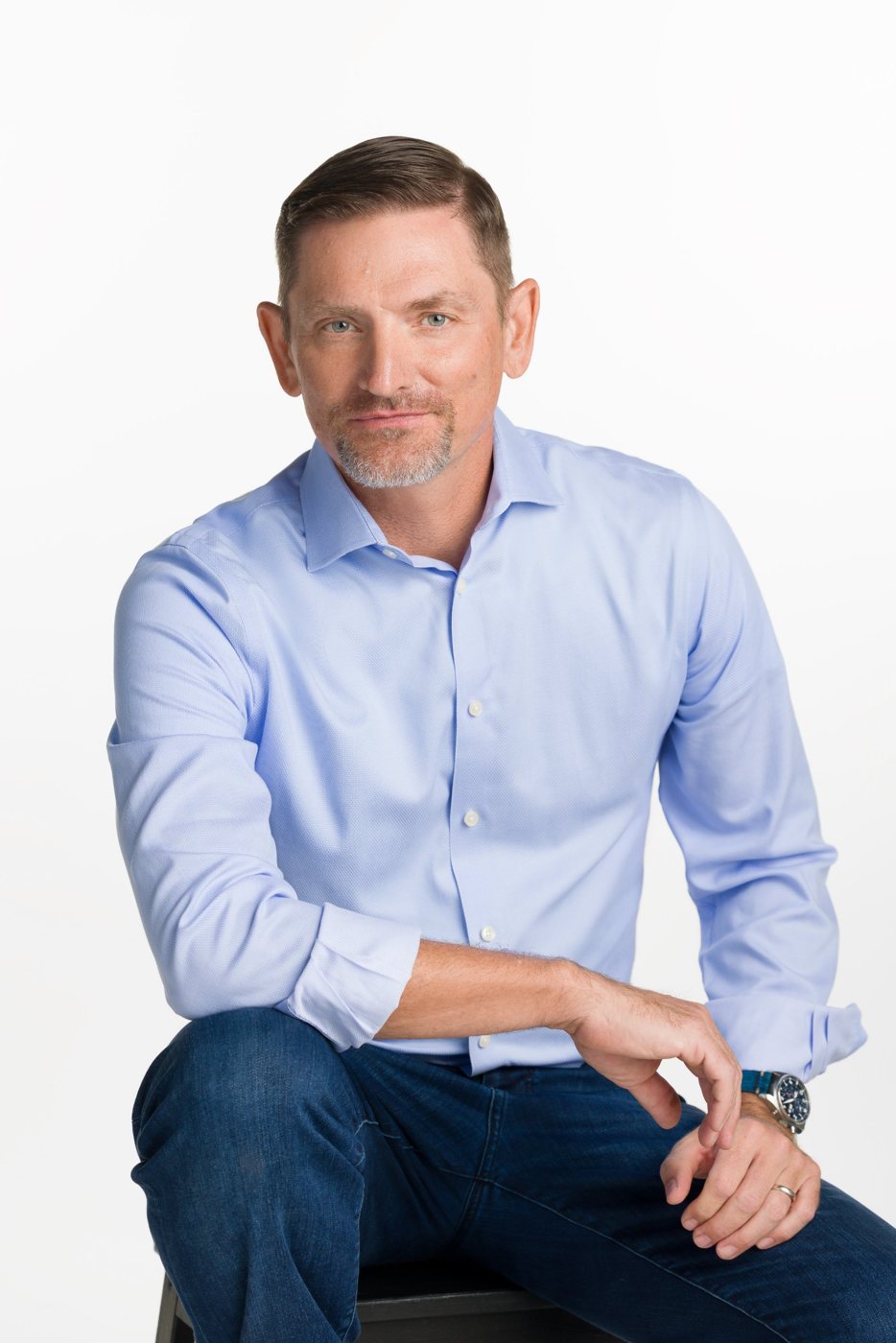
Why some businesses and organizations grow while others stall, and the forces underneath that decide it.
The wins and losses weren’t random.
Read the essay →I came to business as a biologist, and I still see companies the way a biologist sees an ecosystem: living systems, held together by relationships. For more than twenty-five years I've worked in technology, from the wires inside the walls, to the networks that run over them, to the systems built on top of both.
I founded three companies, the first in 2001, and I built each of them on structure and systems strong enough to run without me. Twenty-five years on, the first is still going. Two people I hired and developed bought the third from me, and more than a decade later they've built far more with it than I handed them. That taught me as much as anything I built myself.
Along the way I led global sales at ISONAS through its acquisition by Allegion. I've also seen private equity from both sides of the table: as President of Wavelynx Technologies, taking the company through its 2023 transaction with Triton Partners, and now as a founding partner in a new investment strategy with a Canadian private equity firm.
I grew up in Springfield, Ohio. Today I live in Boulder, Colorado, where I write, ride bikes, have coffee with great people, and fish.
What keeps pulling at me is how well it travels. A relationship opens a door a business plan couldn't. A team changes the day its incentives change. I saw it in every company I was part of, and those are the questions behind the book.
I talk about how decisions actually get made inside a market: who's trusted, whose incentives line up, and why the best operators stop competing on product. Then what to do about it on Monday morning.
I also work directly with founders and CEOs as an advisor. The work starts with one question: what's really deciding outcomes in your market?
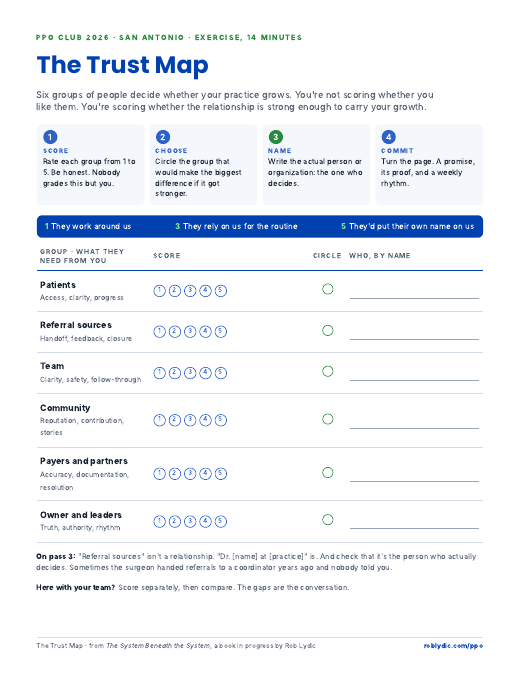 Tools from the talksThe Trust Map